
Why Titanium Plays A Vital Role In Modern Medicine

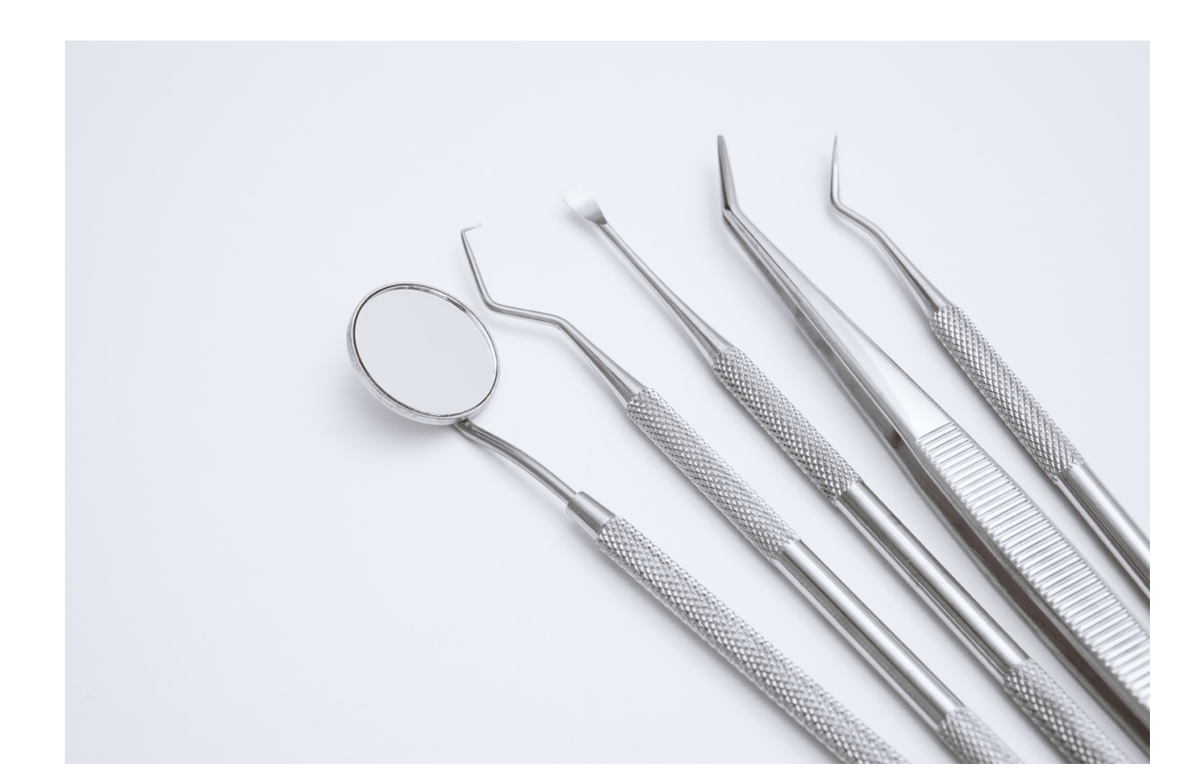
Medical technology depends on materials that can perform safely inside and outside the human body. Titanium has become one of the most widely used metals in healthcare because it combines strength, corrosion resistance, and excellent compatibility with human tissue. These qualities allow it to support everything from orthopedic procedures to advanced surgical equipment.
Excellent Compatibility With the Human Body
One of titanium’s greatest advantages is its biocompatibility. The metal is generally well accepted by the body, making it suitable for many long-term medical applications. Unlike some materials that may trigger unwanted reactions, titanium forms a stable oxide layer that helps resist corrosion and reduces the likelihood of irritation after implantation.
Because of these characteristics, healthcare providers often use titanium in procedures that require permanent or long-lasting implants. Patients benefit from a material that is durable while remaining compatible with surrounding bone and tissue. Its resistance to corrosion is especially valuable because medical implants are constantly exposed to moisture and body fluids.
Common Uses in Medical Implants
Titanium is frequently used in orthopedic surgery to manufacture joint replacements, bone plates, screws, spinal implants, and fracture fixation devices. Its high strength allows these components to support normal movement while remaining lightweight.
Dental professionals also rely on titanium for many implant procedures. Titanium posts can integrate with the jawbone over time, creating a stable foundation for replacement teeth. This property has contributed to the widespread use of titanium in restorative dentistry. Many manufacturers produce specialized titanium metal products that meet strict medical standards for purity, strength, and performance before they are incorporated into healthcare devices.
Benefits for Surgical Instruments
Titanium is valuable beyond implanted devices. Many surgical instruments are made from titanium because the metal is lighter than stainless steel while maintaining excellent strength. Lighter instruments can reduce hand fatigue for surgeons during lengthy procedures and provide greater precision during delicate operations.
The material also withstands repeated sterilization without losing its structural integrity. This durability supports long service life while helping healthcare facilities maintain consistent instrument performance.

 Medevel Editor’s pick
Supporting Medical Innovation
Advances in manufacturing have expanded the ways titanium is used throughout healthcare. Technologies such as precision machining and additive manufacturing allow highly customized implants to be produced for individual patients. These techniques support improved anatomical fit and may contribute to better surgical outcomes in certain cases. Researchers also continue exploring new titanium alloys and surface treatments that may improve implant performance and encourage stronger bone attachment.
 Hamza Musa
Titanium has become an essential material across many areas of modern medicine because of its strength, corrosion resistance, light weight, and compatibility with the human body. From orthopedic implants and dental restorations to surgical instruments and emerging medical technologies, its unique properties continue supporting high-quality patient care. Look over the infographic below for more information.
 Hamza Musa
Author Bio:
Kim Crabtree is Account Manager for Titanium Processing Center, a woman-owned, global distributor of titanium bar, sheet, plate, pipe and tube. She has eight years of experience in the metal industry and focuses on cultivating and maintaining mutually beneficial relationships between customers and Titanium Processing Center.