
The Digital Backyard: Beyond VPNs and the Mirage of Parental Control and Why Parents Should Care?


It started on a Saturday afternoon, the kind of quiet weekend where you expect to hear the repetitive click-clack of a mechanical keyboard or the occasional shout of "Go! Go! Go!" from the living room. I walked in to find my nine-year-old son huddled over his laptop with my friend’s two boys, one six, the other fifteen. They weren't just playing; they were navigating.
"Is it working?" the teenager whispered, his eyes glued to a loading screen.
"Yeah, the tunnel is open," my son replied, clicking a small icon on the taskbar that I recognized instantly.
They were using a VPN (Virtual Private Network). Despite the digital gates being locked at the national level to block access to Roblox, these kids, ranging from a first-grader to a high schooler, had already learned how to pick the lock. In a world where "Roblox is life" for their generation, a government ban isn't a wall; it’s just a puzzle they are highly motivated to solve.
As a father, a software developer, and a doctor, this sight chilled me. Not because they were playing a game, but because they were venturing into a "digital dark alley" just to reach what they perceived as a playground.
We are witnessing a global phenomenon where the blunt instrument of censorship is failing to protect children, instead pushing them toward unmonitored tools that make them even more vulnerable.
 Hazem Abbas
The Roblox Paradox: A Public Pool Without a Lifeguard
To understand why kids risk so much to stay on Roblox, you have to understand what it is. It isn't just a game; it is a sandbox platform, a digital universe where users create their own worlds. It is the Lego of the 21st century, allowing a 10-year-old in London to build a pizza parlor and a 12-year-old in Tokyo to run it.
However, Roblox is often described by safety experts as a "public pool where the kids are not supervised." While the platform has its own moderation, the sheer scale of it (millions of concurrent users) makes it impossible to police perfectly. Because it allows for user-generated content and open chat, it has become a hunting ground for:
- Grooming and Exploitation: Predators use the platform’s "trust" mechanics to lure children into private Discord servers.
- "Condo Games": User-created spaces designed for explicit virtual roleplay that pop up and disappear before moderators can strike them down.
- Financial Scams: "Free Robux" schemes that trick children into giving up account credentials or downloading malware.
When a government sees these risks and hits the "off" switch, they think they are draining the pool. In reality, they are just turning off the lights while the kids are still in the water.
 Hamza Musa
When the Digital World Bleeds into Reality
The push to ban platforms like Roblox and Discord often follows a horrific headline. We have seen a disturbing trend in recent years where social isolation, radicalization in "echo chambers," and unmonitored gaming communities have been linked to shocking crimes.
In late 2024 and early 2025, reports emerged of "lone wolf" attackers, some as young as 14, who were radicalized not in person, but through closed Discord servers and extremist "roleplay" games within sandbox platforms. These digital spaces can become pressure cookers for vulnerable youth. When a child feels isolated in the real world, they seek belonging online. If that "belonging" is found in a group that glorifies violence or extremist ideologies, the consequences are tragic.
Media reports have highlighted cases where school shootings were "gamified" in advance, with perpetrators sharing manifestos or live-streaming their intentions to a small, cheering audience of online "friends." The government’s reaction is usually to ban the tool. But is it enough? History shows that banning the tool without addressing the why—the social isolation and the lack of healthy alternatives, only moves the problem to a deeper, darker part of the web.
 Hazem Abbas
The Failure of the "Ban First" Mentality
As a developer, I know that technology always finds a way around a block. As a doctor, I know that you cannot treat a symptom by simply ignoring the patient’s environment.
Governments worldwide are making a critical mistake: they are banning products before providing alternatives.
Imagine if a city closed every park because of a rise in crime but didn't build community centers or sports clubs. The kids would just end up in the streets. In the digital realm, the "streets" are VPNs and unencrypted P2P networks.
Instead of a total blackout, why aren't we seeing a massive state-level push for Minecraft: Education Edition? Minecraft provides the same creative "sandbox" outlet as Roblox but within a controlled, safe environment. If the goal is to protect kids, the government should be subsidizing and deploying educational versions of these games in schools and homes before pulling the plug on the commercial versions. We need to offer a "curated garden" before we close the "wild forest."
 Hamza Musa
The VPN Trap: A False Sense of Security
Many parents see their kids using a VPN and think, "At least they can still play." But as a father, this terrifies me.
A VPN encrypts data, yes, but it also bypasses every safety filter you have set up on your home router. When a child uses a free or unverified VPN to access a banned game, they are tunneling out of your protection. You can no longer see what they are accessing, and the VPN provider itself might be harvesting your child's data.
There has been talk of "Government Controlled VPNs"—a state-issued tool that allows "safe" access to certain sites. But this is a paradox. A VPN's purpose is privacy; a "controlled" VPN is just a different form of surveillance. It doesn't solve the grooming on Roblox; it just logs that your child was there.
 Hamza Musa
Moving Toward AI-Powered Parental Control
If bans don't work and VPNs are dangerous, what does? We are entering the era of AI Parental Control.
Traditional apps like Qustodio or Norton Family are great for setting time limits, but they are "dumb" tools—they block a site or they don't. Modern AI-driven tools, such as Bark or Aura, are different. They don't just "watch" the screen; they analyze the sentiment of the chat.
If a stranger on a game asks your child, "What is your address?" or "Can we talk on Discord?", the AI recognizes the pattern of grooming and alerts the parent immediately. This is far more effective than a blanket ban because it allows the child to participate in digital culture while keeping a "virtual lifeguard" on duty.
 Hamza Musa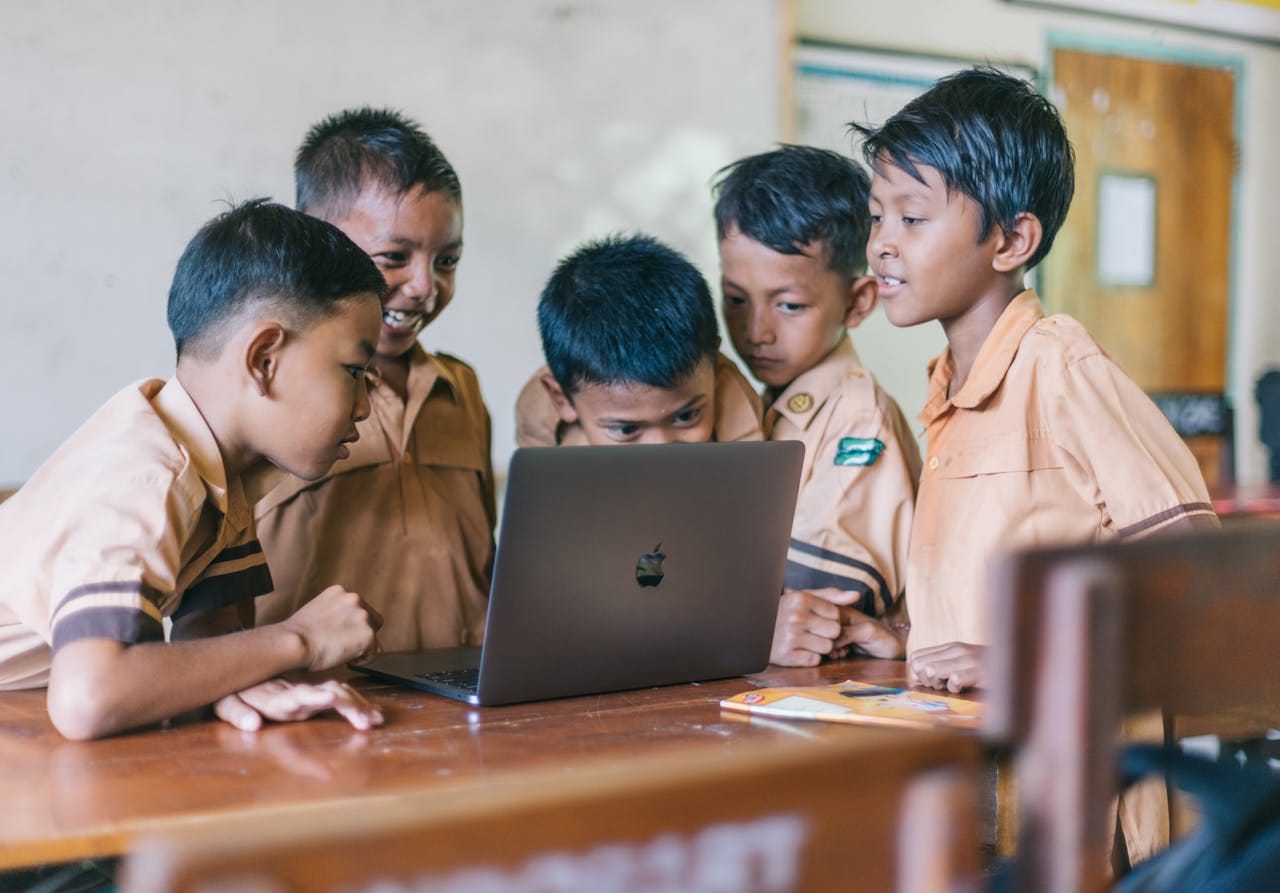
 Hamza Musa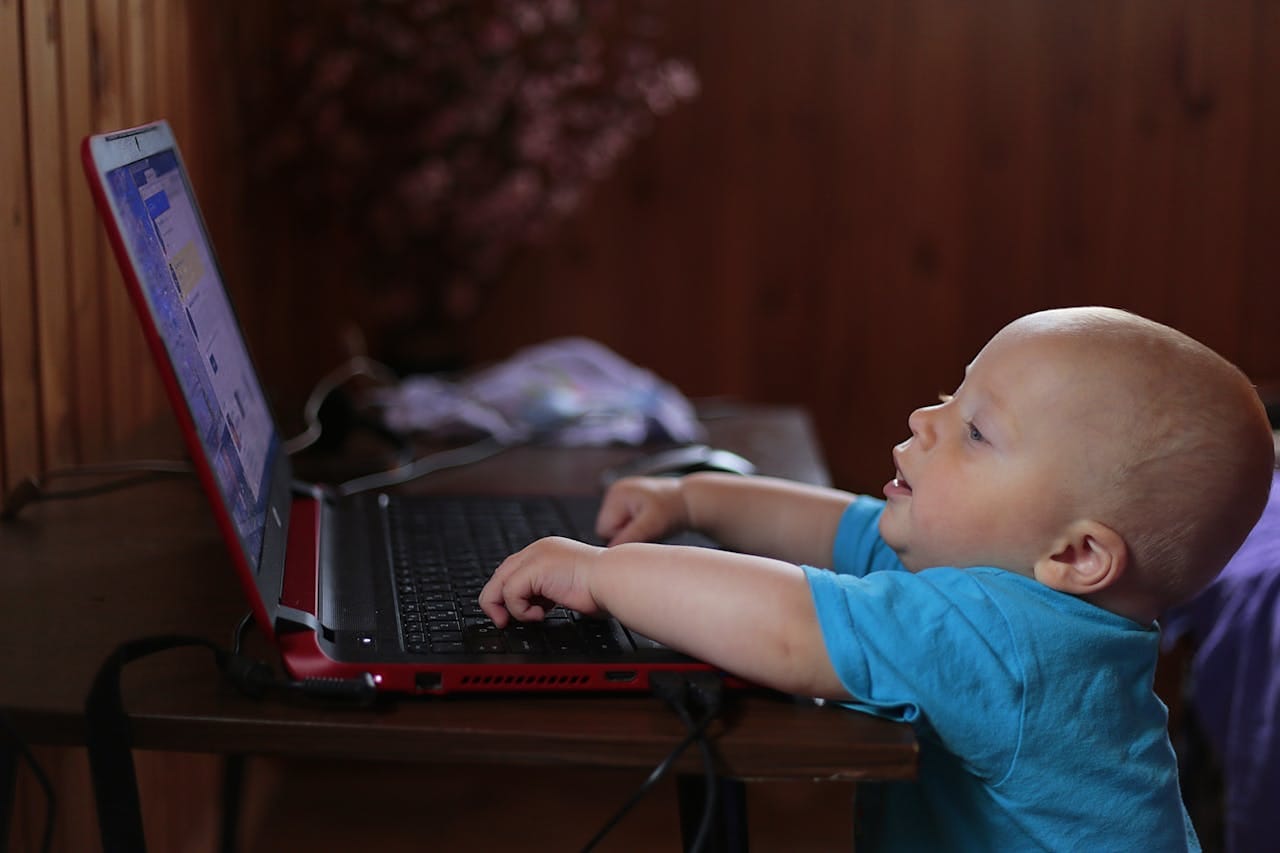
The Roadmap: 4 Solutions for a Safer Future
We cannot stop the tide of technology, but we can teach our children how to swim. Here are four concrete solutions for governments and parents:
1. The "Educational Sandbox" Alternative
Governments must partner with companies like Microsoft to provide free, local-server access to Minecraft: Education Edition for all students. By providing a safe, moderated, and social creative outlet, the "need" to jump over a firewall for a dangerous alternative like Roblox is significantly reduced.
2. Mandatory "Digital Citizenship" in Schools
We teach kids how to cross the street; we must teach them how to identify a digital predator. This shouldn't be a one-hour seminar, but a core part of the curriculum. Kids need to understand why certain apps are restricted, rather than seeing it as an arbitrary rule to be broken.
3. Incentivized AI-Parental Monitoring
Instead of spending millions on national firewalls that are easily bypassed by a 9-year-old with a VPN, governments should provide tax breaks or subsidies for families to use high-end AI-powered parental control software. These tools provide real protection by monitoring behavior, not just blocking IP addresses.
4. Verified "Junior" Gaming Zones
We need a global standard for "Junior Accounts" that are tethered to a parent's legal ID. If a platform like Roblox wants to operate, it should be required to offer a "Green Zone"—a version of the game where chat is restricted to pre-set phrases and only "vetted" creators can host worlds.
 Hamza Musa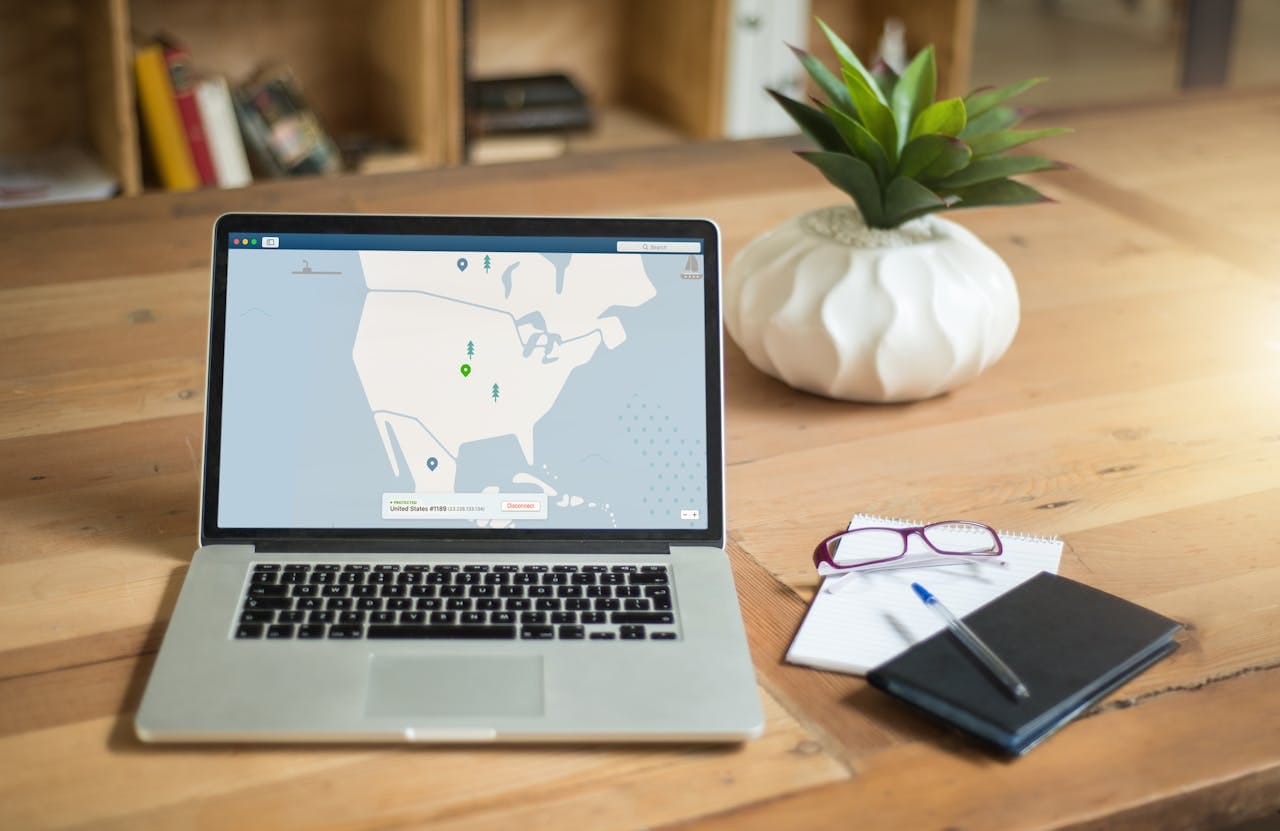
The story of my son and his friends using a VPN wasn't just a story about kids wanting to play a game. It was a warning. If we continue to rely on bans and blocks, we are teaching our children to become hackers before we teach them to be safe. It is time to stop building walls and start building better playgrounds.